Emergency gardeners Morden same day storm damage fixes: what to do when a storm leaves your garden in a mess
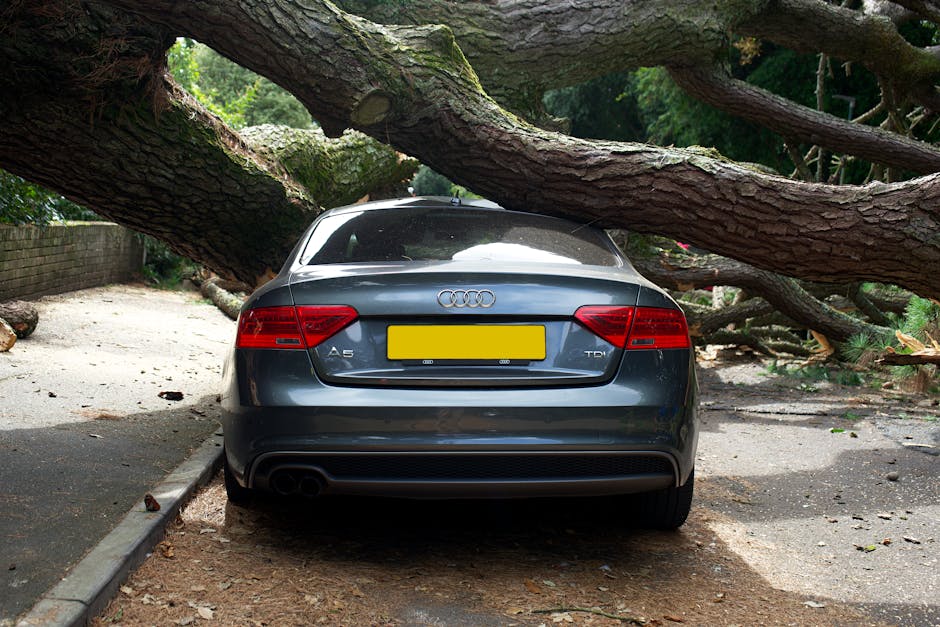
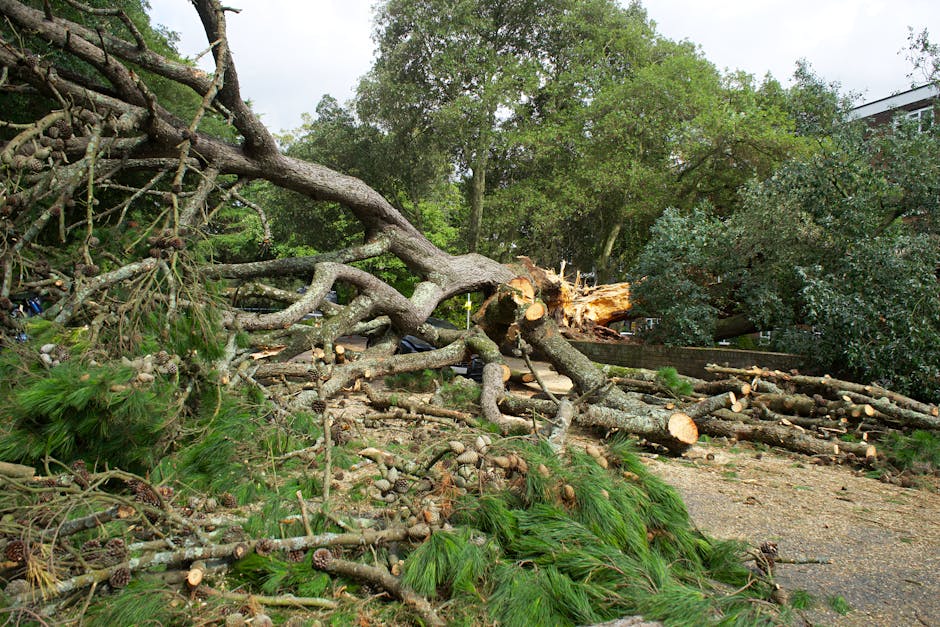
When a storm hits, gardens can go from calm to chaotic in minutes. One hour everything looks fine; the next, you've got snapped branches, a tipped fence panel, torn climbers, soggy soil, and maybe a damaged path that now feels a bit like a slip hazard. That is exactly where Emergency gardeners Morden same day storm damage fixes come in. If you need fast, practical help after heavy wind or rain, the goal is simple: make the space safe, stop the damage from spreading, and get the garden back under control as quickly as possible.
This guide explains what same-day storm damage response usually involves, what should be prioritised first, how emergency garden repairs are handled, and which mistakes to avoid when you're under pressure. It also gives you a realistic idea of what a good service should cover in Morden, without the fluff. Let's face it, when the garden has taken a beating, you want straight answers, not waffle.
Table of Contents
- Why Emergency gardeners Morden same day storm damage fixes Matters
- How Emergency gardeners Morden same day storm damage fixes Works
- Key Benefits and Practical Advantages
- Who This Is For and When It Makes Sense
- Step-by-Step Guidance
- Expert Tips for Better Results
- Common Mistakes to Avoid
- Tools, Resources and Recommendations
- Law, Compliance, Standards, or Best Practice
- Options, Methods, or Comparison Table
- Case Study or Real-World Example
- Practical Checklist
- Conclusion
- Frequently Asked Questions
Why Emergency gardeners Morden same day storm damage fixes Matters
Storm damage is not just a cosmetic problem. In a real garden, fallen branches can block access, loose fencing can expose pets or children, and waterlogged borders can quietly kill plants if they sit compressed for too long. A broken tree limb hanging over a driveway is the sort of thing that looks manageable until the wind picks up again. Then it isn't.
Same-day support matters because garden damage often gets worse in the hours after the storm. Water keeps moving. Wind keeps tugging. A cracked fence post that looked "sort of okay" can become fully unstable by evening. In our experience, the biggest risk is usually not the obvious mess; it's the hidden stuff underneath it.
There's also the matter of household disruption. A fallen hedge section or collapsed climber can block light, shorten usable space, and make a neat garden feel grim overnight. If you rely on your outdoor area for children, pets, tenant access, or simply a safe route to bins and sheds, quick action is worth a lot.
Expert summary: same-day storm repairs are about safety first, tidy-up second, and restoration third. If those three happen in the right order, the whole job goes more smoothly.
If the damage is severe enough that trees, fencing, or access routes are affected, it may be sensible to look beyond a simple tidy-up and review broader services like tree lopping and removal or garden clearance. That depends on the scale of the storm, of course, but it's often where a sensible repair plan begins.
How Emergency gardeners Morden same day storm damage fixes Works
Most same-day emergency garden visits follow a fairly direct process. The exact details vary, but the logic is usually the same: assess, make safe, remove hazards, then carry out immediate repairs where possible. No drama. Just method.
1) Initial phone or message assessment
You describe what has happened, what is damaged, and whether anything is unsafe. A good gardener will ask about tree movement, broken fencing, blocked gates, lifted paving, or debris near buildings. This helps them decide whether it's a light emergency tidy-up or a more urgent safety job.
2) On-site inspection
Once on site, the priority is to identify hazards. A branch leaning awkwardly may need securing or removal. A fence panel might need temporary stabilisation. Wet soil may need protection from further trampling. You'd be surprised how often a small-looking issue hides a bigger structural problem.
3) Immediate risk reduction
This is the make-safe stage. The gardener removes loose debris, clears access paths, and deals with dangerous material first. They may also isolate areas that should not be used until repairs are complete. If the weather is still rough, they may work in phases rather than forcing a rushed finish. Fair enough really.
4) Same-day fixes where possible
Depending on what's available and what the damage is, some problems can be fixed immediately. That might mean cutting back a damaged shrub, tidying a split hedge, removing fallen branches, clearing gutters or garden drains from debris, or re-erecting light fencing sections. For larger rebuilds, the first visit often focuses on stabilising the problem rather than finishing it.
5) Follow-up recommendations
After the urgent work, you should get practical advice on what needs a second visit. That might be replacement fencing, tree work, re-turfing, reshaping a border, or a broader repair and maintenance plan. If the storm has left the garden in a very rough state, a scheduled visit for garden maintenance can help restore everything properly rather than letting small issues linger.
Key Benefits and Practical Advantages
Emergency storm response is not just about speed. The real value is in what speed prevents. A same-day response can stop further breakage, limit water damage, and reduce the risk of injury while the garden is still unstable.
- Faster safety restoration: paths, gates, and key access points can be cleared quickly.
- Less secondary damage: broken branches and loose panels stop causing more problems.
- Better plant recovery: bent shrubs and crushed beds can be handled before they deteriorate further.
- Cleaner visual reset: the garden stops looking abandoned, which matters more than people admit.
- More sensible decision-making: once the danger is reduced, you can judge the real extent of repairs calmly.
There's also a practical benefit for landlords, homeowners, and business premises alike: a rapid response keeps the property presentable and reduces complaints. That matters if the storm damage is visible from the street or affects shared access. It's the difference between "we're dealing with it" and "we've ignored it for three days."
For larger outdoor spaces, emergency work can be the first step before landscaping, resurfacing, or structural improvements. If the storm exposed weaknesses in the layout, you may want to review landscaping or broader landscape gardening options once the immediate damage is under control.
Who This Is For and When It Makes Sense
Same-day storm damage fixes are for anyone who needs the garden made safe or usable again quickly. That includes private homeowners, landlords, property managers, schools, care settings, and businesses with outdoor entrances or shared green areas.
It makes particular sense when:
- a tree branch is partially down or resting on a fence;
- fencing has been blown loose or bent;
- hedges are split, flattened, or blocking access;
- debris is creating a slip or trip hazard;
- heavy rain has caused soil washout, pooling, or path blockage;
- you need to secure a garden before nightfall or before guests arrive;
- you are worried the issue could get worse if left until tomorrow.
It's also relevant if you simply do not have the tools, time, or confidence to deal with the mess safely. A storm can leave a garden looking deceptively manageable, but once you start moving branches or tugging at unstable stems, things can shift fast. Not ideal.
People often ask whether a general gardener can handle storm damage. In many cases, yes, especially when the work is about clearing, making safe, and restoring order. For more complex tree-related hazards, it is wise to check whether specialist support is needed through tree lopping and removal.
Step-by-Step Guidance
If you've just had storm damage, don't rush in with the wrong pair of gloves and a vague plan. Start with the basics. The sequence matters.
- Look from a safe distance first. Check for hanging branches, damaged fences, exposed wires, or anything pressed against a building.
- Keep people and pets away. If an area looks unstable, don't use it. Simple, but easy to forget when you're trying to be helpful.
- Take a few photos. This helps you remember what was damaged before work begins, especially if there are multiple broken areas.
- Contact a local emergency gardener. Explain what happened, what feels urgent, and whether access is blocked.
- Agree on priorities. Safety hazards first, clearing second, repairs third. That order keeps everyone sane.
- Let the team stabilise the site. They may need to remove debris, cut back broken growth, or temporarily secure loose sections.
- Review what can be fixed the same day. Some jobs are immediate; others need follow-up materials or longer work.
- Plan the follow-on work. If the storm has exposed bigger maintenance issues, schedule them before small damage turns into a bigger bill.
A practical note: if a fence or tree has fallen onto a boundary line, it is best to avoid guessing ownership in the heat of the moment. Get the area made safe first. Sorting the paperwork can come later. One headache at a time, honestly.
Expert Tips for Better Results
The best storm repairs are not the ones that look clever. They're the ones that hold up two weeks later when the weather turns again. A few small choices make a big difference.
- Prioritise stability over neatness. A quick tidy is not enough if the structure is still wobbling.
- Leave root-disturbed plants alone until inspected. A shrub can look fine above ground and still be loosened below.
- Don't stack heavy debris against weak fencing. It sounds obvious. Still happens.
- Choose repair materials that match the existing job. Temporary fixes should be clearly temporary, not disguised as full repairs.
- Use the visit to spot wider vulnerabilities. Storm damage often reveals drainage issues, weak posts, or neglected hedge growth.
- Ask for a phased plan if needed. It is better to sort the dangerous bits now and the cosmetic bits later than to force a rushed all-in-one job.
If your storm damage includes messy borders, uprooted plants, or collapsed sections of overgrown growth, a combined approach with hedge trimming or broader clearance can often give the best long-term result. Sometimes you need to cut back hard before the garden can breathe again.
One more thing: after heavy rain, even apparently solid ground may be soft underfoot. A gardener who works carefully around soaked beds and newly exposed roots is usually the one you want. Speed matters, yes, but so does judgement.
Common Mistakes to Avoid
Storm damage brings out the heroic instinct in people. Admirable, but not always useful.
- Trying to remove a hanging branch yourself: this is one of the riskier jobs in a garden after high winds.
- Dragging wet debris through beds: it compacts soil and can damage roots, so the mess grows quietly.
- Ignoring cracked posts or leaning panels: they often fail fully later, usually when it's inconvenient.
- Using a permanent repair before the full extent is known: you may end up redoing the job.
- Waiting for perfect weather: understandable, but sometimes unsafe areas need action now, not in three days.
- Forgetting drainage after a storm: blocked runoff can keep a garden wet long after the wind has gone.
Also, don't assume that a garden's visible damage tells the whole story. A toppled shrub may have torn underground roots. A fence that stayed upright may still have loosened footings. The garden is often a bit like a suit after a rough night out: the damage is not always where you first look.
Tools, Resources and Recommendations
A capable emergency gardener will normally arrive with the practical tools needed to cut, clear, lift, secure, and tidy safely. Depending on the job, that can include cutting tools, rakes, tarps, wheelbarrows, fixings, support stakes, and basic stabilisation equipment. The exact kit varies, but the aim is always the same: handle the damage without making the site more chaotic.
From a homeowner's point of view, the most useful "resources" are often surprisingly simple:
- clear photos of the damage before work starts;
- a quick note of any access restrictions, locked gates, or neighbours affected;
- basic information about what fell, where it fell, and when it happened;
- any prior issues that the storm may have made worse, such as loose posts or tired hedge growth.
If the damage has created a larger clean-up than a simple response can solve, garden clearance is often the next sensible step. If the area has lots of ongoing upkeep needs, regular garden maintenance can prevent the same weak spots from becoming a recurring problem.
And if the storm has left your outdoor space looking rough around the edges for longer than you'd like, it may be worth discussing structural changes too, such as improved planting layout or hard landscaping. That's where services overview pages can help you compare options before committing to a bigger plan.
Law, Compliance, Standards, or Best Practice
For storm damage work, the safest approach is to follow normal UK garden safety practice and common-sense risk control. That usually means working away from obvious hazards, using suitable equipment, and not attempting dangerous tree or boundary work without proper assessment. If a damaged tree is unstable, overhanging a structure, or close to anything sensitive, caution should come first. Always.
On properties with shared access or rented accommodation, it is sensible to document the damage and the response, especially if there is a risk to visitors, tenants, or passers-by. You do not need to overcomplicate it. A few notes and photos can be enough to show what was unsafe and what was done to reduce the hazard.
Insurance and safety matter too. Any reputable service should be able to explain how it approaches risk, how it protects people on site, and what happens if the job needs to be paused because conditions worsen. You can read more about the company's approach via insurance and safety and its health and safety policy.
For customers, best practice is simple: do not stand under unstable branches, do not use power tools in unsafe conditions, and do not treat a half-down tree like a pile of garden waste. It is not just "messy"; it may still be live and under tension.
Options, Methods, or Comparison Table
Not every storm response needs the same level of intervention. Here's a simple way to think about the options.
| Approach | Best for | Pros | Limitations |
|---|---|---|---|
| Same-day emergency tidy-up | Loose debris, broken branches, light fencing issues | Fast, practical, reduces immediate risk | Not suitable for major structural damage |
| Make-safe and return visit | Unstable trees, damaged boundaries, larger clear-ups | Safer for complex jobs, more controlled | Requires a second appointment |
| Full restoration project | Severe storm damage, redesign needs, recurring weak areas | Long-term improvement, better finish | More time, planning, and budget required |
The key decision is not "Which option is best in theory?" It is "Which option gets the site safe today, and what can wait until the ground dries out or the materials arrive?" That question alone saves a lot of confusion.
Case Study or Real-World Example
Picture a typical Morden garden after a windy night: a section of hedge has split sideways, a small tree limb has dropped onto a fence panel, and the side path is covered in leaves, bark, and twigs. The owner wants the garden usable again before the weekend, but also wants to know whether anything serious has happened under the surface.
The first visit focuses on the risks. The loose branch is removed, the path is cleared, and the split hedge is trimmed back to a safer line. The damaged fence panel is checked for stability. Because the soil is waterlogged, any more aggressive repair is left for a follow-up rather than forcing it into mud. Simple, but sensible.
By the end of the same day, the space is safe to walk through, the access route is open, and the homeowner knows exactly what needs a second visit. Not everything is perfect. Of course it isn't. But the garden is no longer an emergency, and that changes the whole mood of the place. You can feel that shift straight away.
In a case like this, adding a later visit for lawn mowing or minor reshaping can help bring the garden back to a neat, finished condition once the storm fallout has been dealt with properly.
Practical Checklist
Use this quick checklist if you need to act fast after storm damage:
- Check for immediate danger before entering the garden.
- Keep children and pets away from unstable areas.
- Photograph the damage from a safe position.
- Identify blocked access routes, broken fencing, or hanging branches.
- Contact an emergency gardener and explain what is urgent.
- Ask for make-safe work first, not cosmetic work first.
- Confirm whether the job can be completed the same day or needs a second visit.
- Ask what follow-up repairs or maintenance are recommended.
- Review drainage, soil movement, and hidden damage after the area is cleared.
- Plan the next step before the problem has time to return.
If the clean-up is bigger than expected, that's normal. Storms have a way of revealing all the little things a garden had been quietly getting away with. Still, once the worst is removed, things usually look far more manageable than they did in the first ten minutes.
Get a free quote today and see how much you can save.
Conclusion
Storm damage is stressful, but it does not have to become a long-running problem. The right response is calm, quick, and practical: make the garden safe, clear the hazards, repair what can be repaired, and plan the rest properly. That is the real value of Emergency gardeners Morden same day storm damage fixes. Not just speed, but control.
If you are dealing with snapped growth, loose fencing, blocked access, or a garden that simply looks battered after bad weather, the smartest move is to deal with it early. A prompt visit can prevent more damage, reduce risk, and bring the space back to something you can actually use again.
And if the storm has exposed bigger issues in the garden, that is not a failure. It is information. Use it to decide what to repair, what to refresh, and what to improve for next time. Gardens recover. They really do. Sometimes they just need a proper hand getting back on their feet.
Frequently Asked Questions
What counts as an emergency garden repair after a storm?
Anything that creates an immediate safety risk or blocks access can count as an emergency. Common examples include hanging branches, fallen fence panels, collapsed hedges, debris on paths, and unstable tree limbs.
Can same-day storm damage fixes be done in one visit?
Often, yes, if the damage is straightforward. Light debris clearance, hedge trimming, and minor stabilisation can sometimes be completed the same day. Bigger structural jobs may need a follow-up visit.
Should I try to clear storm damage myself first?
Only if it is clearly safe. Small twig clearance is one thing. Hanging branches, leaning trees, and damaged fencing are another. If anything looks unstable, keep away and get help.
What should I tell the gardener when I call?
Describe what was damaged, whether access is blocked, and whether anything could fall or collapse. Photos are helpful too. Clear information usually leads to a faster and more accurate response.
Do emergency gardeners handle fallen trees?
They may handle smaller tree-related issues, but larger or more complex tree damage can require specialist attention. If a tree is unstable or close to a building, it should be assessed carefully before any work starts.
Will storm damage fixes include fencing repairs?
Sometimes, yes, especially where a panel has blown loose or a post has shifted. If the fencing is badly damaged, the first visit may focus on making it safe rather than completing the full repair immediately.
How quickly should storm damage be dealt with?
As soon as it is safe to do so. The longer unstable debris or loose structures are left in place, the more chance there is of further damage or injury. Same-day action is usually the best option when risk is involved.
Can a storm-damaged garden be made presentable quickly?
Yes. Even if a full repair is not possible immediately, a good emergency tidy-up can make the space much safer and far less overwhelming. That first clean reset makes a huge difference, honestly.
What if the rain has caused soggy soil and puddles too?
That is common after heavy weather. The problem may need debris removal, better drainage, or a follow-up maintenance plan. In some cases, the focus is simply on preventing further compaction until the ground dries.
Is there a difference between emergency garden clearance and normal garden clearance?
Yes. Emergency clearance is usually about speed, safety, and restoring access after sudden damage. Normal clearance is more planned and may include larger, less urgent work.
How do I know if I need garden maintenance after the storm repair?
If the storm exposed neglected growth, weak borders, or repeated problem areas, maintenance is probably sensible. Regular upkeep helps stop the same mess from building up again, which saves time later.
Who should I contact if I want to discuss the job or ask questions first?
You can review the service details on services overview or learn more about the team on the about us page before getting in touch. If you're ready to discuss a specific storm damage issue, the contact us page is the right next step.
What should I expect from a trustworthy local provider?
Clear communication, sensible safety-first working, realistic timelines, and no pressure to commit to unnecessary extras. A trustworthy provider will explain what can be fixed now, what should wait, and why.