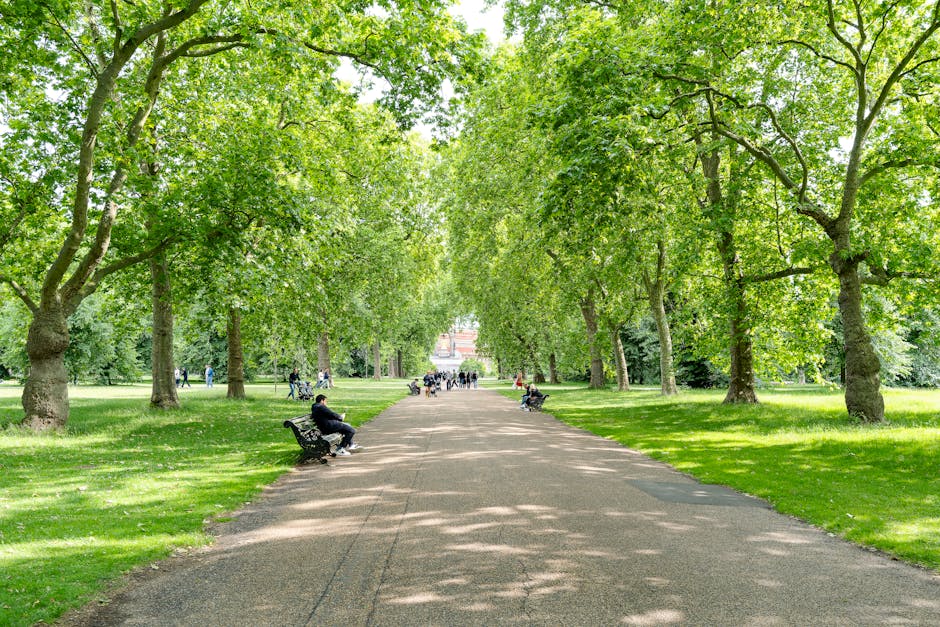
Gardening services permits near Morden Hall Park Merton Council: what you need to know before work begins
If you are planning gardening services permits near Morden Hall Park Merton Council, the first thing to understand is that "permit" can mean a few different things in practice. Sometimes it is about access, parking, skips, waste removal, or working near protected land rather than a single garden licence. And if you are standing there looking at an overgrown front plot, a hedge that's getting a bit ambitious, or a small courtyard that needs a proper reset, it can feel confusing pretty quickly.
This guide breaks it down in plain English. You will learn when permission may matter, how the process usually works around Morden and wider Merton, what to check before booking a gardener, and how to avoid the annoying little mistakes that can hold a job up. No jargon for the sake of it. Just practical guidance you can actually use.
To be fair, a lot of garden jobs do not need formal council approval at all. But some do involve rules, and that is where people get caught out. The good news? With a bit of planning, it is usually straightforward.
Why Gardening services permits near Morden Hall Park Merton Council Matters
Garden work sounds simple until it touches something regulated. Near a major green space like Morden Hall Park, there can be extra sensitivity around access routes, roadside loading, waste transfer, tree work, wildlife, and the general protection of the local environment. You may not need a permit for a standard lawn cut or border tidy-up, but you may need to think carefully about how the job is carried out.
That is the real point here: not every gardening job is just a gardening job. If the work involves a skip, a van parked on a narrow road, heavy green waste, large tree branches, or operating close to boundaries and public land, then permissions and best practice start to matter. The council may have rules about highway use, obstruction, noise, waste handling, and work that could affect trees or the public realm.
Local residents often ask, "Do I need approval for this?" That is a sensible question. The answer depends on the type of work, the property setup, and whether the job crosses from routine maintenance into something more disruptive. A tidy hedge trim on a Saturday morning is one thing. Removing a tree, arranging a skip, or using machinery near a public footpath is another.
One practical point people overlook: even when no formal permit is needed, you can still run into trouble if your contractor does not manage access carefully. A blocked pavement, garden debris left on the road, or waste put out incorrectly can lead to complaints. And once neighbours are involved, things tend to get less relaxed very quickly.
Expert summary: The safest approach is to check the job type, confirm any access or waste issues in advance, and make sure your gardener works in a way that respects local rules, neighbours, and site conditions.
How Gardening services permits near Morden Hall Park Merton Council Works
There is no single universal "garden services permit" that applies to every case. Instead, the process usually depends on what kind of work is planned. For most domestic gardens, the job can proceed without council permission if it stays within normal maintenance and does not affect public land, highways, tree protection, or waste controls.
Here is how it tends to break down in real life:
- Routine maintenance: lawn mowing, hedge trimming, weeding, pruning, border clean-up, and general upkeep usually require no special permit.
- Waste removal: if a contractor removes a lot of green waste, they should handle disposal properly and may need appropriate waste arrangements.
- Street or pavement access: if the job needs a skip, van loading, or temporary obstruction near a road or footway, permissions may be needed.
- Tree work: if a tree is protected or the area is sensitive, extra checks may apply before lopping or removal.
- Work near public land: anything close to park edges, public paths, or shared boundaries should be planned carefully.
In practical terms, the job usually starts with a site review. A good gardener will look at access, parking, the size of the work, waste volume, and whether any tree or boundary issues exist. If there is a likely permit issue, they should flag it early rather than halfway through the job. That little bit of honesty saves everyone a headache.
If you are comparing providers, look beyond the basic price. Ask how they handle waste, whether they can work around local access constraints, and whether they understand the practical side of operating near Morden Hall Park and the wider Merton area. A well-run service feels calm and organised. A poorly run one tends to look busy, then suddenly not.
For broader service planning, it can also help to review a company's wider offer, such as services overview, so you can match the work to the right level of support from the start.
Key Benefits and Practical Advantages
Getting the permit and permission side right does more than keep you compliant. It makes the job smoother, safer, and less stressful. And let's face it, garden work already has enough variables: weather, access, waste, plant condition, and the occasional mystery object buried in the borders.
Some of the biggest advantages are straightforward:
- Fewer delays: jobs are less likely to pause because of parking, access, or disposal issues.
- Lower risk of complaints: neighbours are less likely to object when work is planned properly.
- Better safety: correct handling of tools, waste, and access reduces accidents.
- Cleaner results: a properly organised job tends to leave the site neater and more usable.
- More predictable costs: advance planning avoids surprise charges from missed access or extra disposal requirements.
- Less stress for the homeowner: you are not left guessing whether something needed permission.
There is also a reputation angle for anyone hiring a professional gardener. If you live near a sensitive local area, a thoughtful approach reflects well on the property and on the contractor. You do not want someone hauling green waste down the street like they are in a rush to catch the last train.
Another practical benefit is that proper planning often improves the quality of the work itself. When a team knows access, waste, and timing in advance, they can bring the right tools and enough labour. The result is usually cleaner lines, tidier finishing, and fewer "we'll have to come back another day" conversations.
Who This Is For and When It Makes Sense
This topic matters for a few different people, and each one has a slightly different need.
Homeowners with busy or overgrown gardens
If your garden has built up over time, you may need a bigger clean-up than a normal maintenance visit. That can mean more waste, longer work hours, and a better chance that parking or access needs to be considered. A garden that looked manageable at first glance can turn into a two-van job by the time the brambles give their opinion.
Landlords and property managers
If you are preparing a rental home for new tenants, or keeping communal outdoor areas in shape, then consistency matters. You need a service that can work efficiently, respect neighbours, and keep to any local rules affecting waste or access. In that situation, clarity beats improvisation every time.
Residents near public or protected green spaces
Properties near Morden Hall Park or similar landscaped areas may need a bit more thought around boundaries, trees, and shared surroundings. If work may affect sightlines, overhanging branches, or nearby footpaths, it is worth checking the details before getting started.
People booking one-off clearance or seasonal work
Spring tidy-ups, autumn leaf clearance, hedge reductions, and post-storm clean-ups often produce more waste than expected. If a skip, extra transport, or roadside loading might be needed, the permit question becomes more relevant.
If you are unsure whether your job counts as routine maintenance or something more involved, ask yourself one simple question: would this look like a normal garden visit to a neighbour, or would it involve trucks, large waste piles, or noticeable disruption? That usually gives you a pretty good steer.
Step-by-Step Guidance
Here is a practical way to handle gardening services permits near Morden Hall Park Merton Council without overcomplicating it.
- Describe the job clearly. List the tasks: mowing, hedge trimming, clear-up, pruning, tree work, waste removal, or landscaping. Be specific. "Sort the garden out" is not really enough.
- Check whether the work is routine or disruptive. If it stays within the garden and does not affect roads, pavements, or protected features, it may not need formal permission.
- Review access and parking. Make sure the contractor can reach the site, unload tools safely, and remove waste without blocking pedestrians or neighbours.
- Ask about waste handling. Green waste should be removed and disposed of properly. If a large volume is involved, ask how this will be managed.
- Check for tree or boundary issues. If mature trees, overhanging branches, or proximity to public land are involved, extra care may be needed.
- Confirm timings. Avoid early starts if the work is noisy, and keep neighbours in mind where possible. A small bit of courtesy goes a long way.
- Get the plan in writing. Even a simple written summary helps everyone understand what is included and who is responsible for what.
- Review the final site condition. Once the work is done, check that access points are clear, waste is removed, and the garden is left tidy.
If the project is larger than expected, it can be helpful to break it into stages. For example, one visit for clearance and structural cuts, another for ongoing maintenance. That often keeps disruption down and makes the whole thing feel more manageable.
Expert Tips for Better Results
After enough garden jobs, a pattern emerges. The best outcomes usually come from clear planning, simple communication, and not pretending that a massive ivy problem is "just a quick trim."
Here are a few tips that genuinely help:
- Photograph the garden before the visit. This is useful if access is tight or if the work scope might change once the team arrives.
- Be honest about the amount of waste. Underestimating waste is one of the quickest ways to create delays.
- Think about weather. Wet ground, strong winds, and heavy rain can affect timing, safety, and finish quality.
- Plan around neighbours. If a hedge trim or tree cut may be noisy, let nearby households know if appropriate.
- Use seasonal timing wisely. Leaf clearance, pruning, and lawn work often go better at the right time of year.
- Choose a contractor who asks questions. If they ask about access, waste, or boundaries, that is usually a good sign. A very good sign, actually.
One more practical tip: if your garden sits close to a road or footpath, keep an eye on where tools, branches, and wheelbarrows will move during the job. Little things matter. A path that seems wide enough can feel very narrow once a loaded barrow and a hedge trimmer are both in play.
Common Mistakes to Avoid
Most problems are preventable. The trouble is they often look minor at the start.
- Assuming no permit issue exists. Not every job needs approval, but some do. Always check before work begins.
- Forgetting about parking or access. A van that cannot unload properly can delay the whole job.
- Ignoring waste volume. A few bags of clippings is one thing. A full clearance is another.
- Overlooking tree-related rules. Tree work deserves more caution than many people realise.
- Choosing the cheapest quote without asking questions. A low price can hide weak planning or poor disposal arrangements.
- Not checking insurance and safety practices. If tools, ladders, or machinery are involved, that matters a lot.
- Leaving neighbour communication until the last minute. A polite heads-up can prevent friction.
Truth be told, many headaches come from one thing: a job that was treated as a quick tidy-up when it was really a small project. If that sounds familiar, you are not alone.
Tools, Resources and Recommendations
You do not need a huge toolkit to manage this well, but a few practical items and habits make life easier.
| Need | Helpful approach | Why it matters |
|---|---|---|
| Job scope | Written list or photos | Reduces misunderstandings |
| Access | Measure gates, paths, and parking space | Prevents delays on arrival |
| Waste | Ask how green waste will be removed | Helps avoid overflow and mess |
| Safety | Confirm PPE, insurance, and safe working methods | Reduces risk on site |
| Timing | Plan for weather and daylight | Improves efficiency and finish |
From a homeowner point of view, the best "resource" is often a clear brief. A short list of what you want done, what should be left alone, and any access notes can save a lot of back-and-forth. If you also have photos of the garden, even better.
If you are comparing wider services, pages like garden maintenance, garden clearance, hedge trimming, lawn mowing, and tree lopping and removal can help you understand which type of job best fits your needs.
Law, Compliance, Standards, or Best Practice
For garden work in London, compliance is usually less about one single rule and more about several practical duties working together. You may need to think about property boundaries, public access, waste disposal, vehicle placement, noise, and, where relevant, tree protection or conservation-related concerns. The exact requirements can vary depending on the site and the nature of the work.
A sensible contractor should work with the following principles:
- Do not obstruct public access. Pavements, roads, and shared paths should remain safe and passable where possible.
- Handle waste responsibly. Green waste and general debris should be removed lawfully and not dumped or left behind.
- Use equipment safely. Tools, ladders, and powered machinery should be used with proper care and supervision.
- Respect protected trees and sensitive features. If there is any doubt, pause and check before cutting.
- Keep communication clear. If permissions are needed, the homeowner should know early.
The better contractors do not treat compliance as a side issue. They build it into the job from the start. That means fewer surprises, fewer complaints, and a better finish. If you are asking a lot from a small patch of garden, this is where professional discipline starts to show.
For service providers, it is also worth reviewing business policies around safety, insurance, and responsible handling. Pages such as health and safety policy, insurance and safety, and recycling and sustainability can give customers added reassurance when they are deciding who to hire.
Options, Methods, or Comparison Table
Not every garden job near Morden Hall Park needs the same level of planning. Here is a simple comparison to help you think it through.
| Type of work | Likely permit concern | Typical risk level | Best approach |
|---|---|---|---|
| Routine mowing and weeding | Usually low | Low | Book normally, confirm access and timing |
| Hedge trimming and shrub pruning | Usually low to moderate | Low to medium | Check waste volume and neighbour impact |
| Large garden clearance | Moderate | Medium | Plan waste removal and loading access carefully |
| Tree work or removal | Higher if protections apply | Medium to high | Check permissions before any cutting starts |
| Landscaping with materials delivery | Moderate | Medium | Confirm parking, delivery access, and site storage |
This is not a legal checklist, of course. It is a practical way to judge how much organisation a job may need. If the work starts sounding more like a mini project than a standard visit, that is your cue to slow down and confirm the details.
Case Study or Real-World Example
Here is a realistic example. A homeowner near Morden Hall Park wanted a front and rear garden reset before selling the property. The front area was simple enough: a tidy hedge, weeded borders, and fresh mowing. The back garden was another story. It had chest-high growth in places, a pile of branches from earlier storm damage, and no obvious space for a large vehicle to park without blocking the road.
The sensible approach was to split the job into two parts. First, the team assessed access and waste volume. Second, they arranged the work so the garden could be cleared without turning the street into a temporary obstacle course. That meant careful loading, a clear finish time, and a quick check at the end to make sure nothing was left in a communal area.
The interesting bit was that no formal council permit was needed for the garden tasks themselves, but the access planning still mattered. That is the real lesson. People often focus only on the permit question and forget the practical side of how the job will actually happen. In real life, that practical side is where most issues live.
The result was a cleaner property, less neighbour disruption, and a better presentation for viewings. Not glamorous. Just effective. And honestly, that is usually what you want.
Practical Checklist
Use this checklist before booking or starting work:
- Describe the exact garden tasks needed
- Confirm whether the job is routine maintenance or something larger
- Check if access, parking, or roadside loading may be affected
- Ask how green waste and debris will be removed
- Check whether any trees or protected features are involved
- Plan for neighbours, timing, and noise
- Request insurance and safety reassurance where appropriate
- Keep a written note of what is included
- Make sure the site will be left tidy and safe
- Review the finished work before signing it off
If you can tick most of those off, you are already ahead of the game. Not dramatically ahead, perhaps, but enough to avoid the usual mess of assumptions.
Conclusion
Gardening services permits near Morden Hall Park Merton Council are less about one single form and more about getting the practical and compliance pieces right before work starts. For many routine jobs, no special permission is needed. But once access, waste, tree work, or public-facing areas are involved, a little extra planning becomes very worthwhile.
The best results come from clear communication, realistic expectations, and a contractor who understands both the garden and the local setting. If you plan sensibly now, you usually save time, money, and a fair bit of hassle later. And that is the real win.
Get a free quote today and see how much you can save.
When the right people, the right plan, and the right timing come together, even a difficult garden can feel manageable again. One tidy step at a time.
Frequently Asked Questions
Do I always need a permit for gardening work near Morden Hall Park?
No, not always. Routine gardening tasks like mowing, weeding, and hedge trimming usually do not need a permit. The need for permission tends to arise when the work affects access, waste removal, roads, public paths, tree protection, or other sensitive features.
What counts as a gardening permit issue in practice?
It can include roadside loading, skip placement, temporary obstruction, large-scale waste removal, or work that may affect protected trees or nearby public land. In short, if the job goes beyond simple garden maintenance, it is worth checking.
Does garden clearance need council approval?
Not automatically. But larger clearances can create waste, access, and parking issues, so it is wise to check whether the job needs any special arrangements before it starts.
Can a gardener remove a tree without permission?
Not if the tree is protected or the site has restrictions. Tree work should always be checked carefully first. When in doubt, pause and confirm the rules before any cutting or removal begins.
How do I know if my job is routine maintenance or something bigger?
If it is a standard visit with mowing, pruning, and light tidy-up, it is probably routine. If it involves multiple loads of waste, heavy machinery, or visible disruption outside the property, it is closer to a bigger project.
Do I need to tell my neighbours before garden work starts?
It is not always required, but it is often a good idea if the work will be noisy, lengthy, or affect shared access. A quick heads-up can prevent complaints and keep things friendly.
What should I ask a gardener before booking?
Ask how they handle waste, whether they are insured, how they deal with access and parking, and whether they see any permit or compliance issues with the job. A good contractor will answer plainly.
How can I avoid surprise costs?
Give a clear description of the site, share photos if possible, and ask for a written scope. Surprise costs usually come from hidden waste, access problems, or a job turning out bigger than expected.
Is there a difference between garden maintenance and landscaping?
Yes. Maintenance usually means ongoing upkeep such as mowing, trimming, and weeding. Landscaping tends to involve bigger changes, such as structural improvements, new features, or redesign work. Landscaping may need more planning.
What if my garden backs onto public land or a park edge?
Then you should be more careful about boundaries, access, debris, and the impact of any work near the edge. Even if the job is on private land, the surroundings can create extra responsibilities.
What is the safest way to manage green waste?
Use a contractor who removes waste responsibly and does not leave it outside the property or in shared areas. Proper disposal is one of those boring details that matters a lot once it goes wrong.
Where can I find related gardening services on this site?
You can look at the wider service pages such as garden maintenance, garden clearance, hedge trimming, and landscape gardening to compare the right fit for your project.