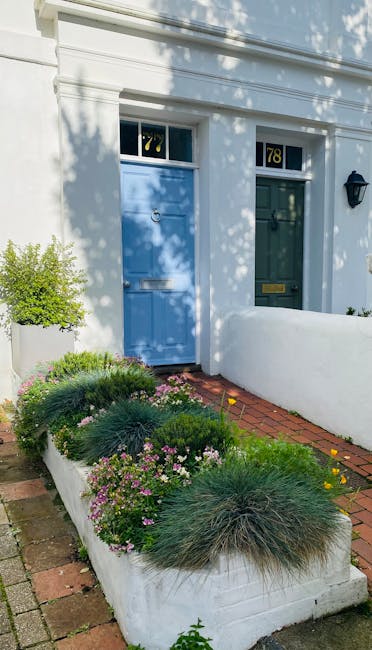
Gardening services St Helier estate front garden makeovers

If your front garden in St Helier is looking tired, overgrown, or just a bit forgotten, you are not alone. Many estate front gardens start out with good bones, then life gets busy, hedges thicken, lawns thin out, and suddenly the space feels smaller than it really is. Thoughtful Gardening services St Helier estate front garden makeovers can change that quickly, turning a rough, awkward entrance into something welcoming, tidy, and genuinely useful.
This guide explains what a front garden makeover involves, how the process works, what to expect from a professional gardening service, and the practical choices that matter most. It is aimed at homeowners, landlords, and property managers who want a better-looking entrance without overcomplicating the job. And yes, a front garden really can make the whole property feel more settled. Sometimes it only takes a clean edge, a healthier lawn, and a smarter planting plan. Simple, but not easy.
For a broader look at what a professional team can cover, you may also find the services overview useful when comparing options.
Why Gardening services St Helier estate front garden makeovers Matters
A front garden does more than sit there looking pretty. It frames the house, guides visitors to the door, softens hard paving, and gives the first signal of how well the property is cared for. In an estate setting, that matters even more because front gardens are often visible all at once. One neat plot can lift the whole row a little. One neglected one can do the opposite. Let's face it, people notice.
In St Helier, front gardens often need to work hard in a relatively small space. There may be narrow plots, shared sightlines, pedestrian access, parking pressure, or a mix of sun and shade created by nearby buildings. A good makeover respects all of that. It should not just look tidy for a week; it should be manageable, durable, and suited to normal day-to-day life.
That is why a proper front garden makeover is usually about more than planting a few shrubs. It may include pruning, lawn recovery, hedge reshaping, surface cleaning, border redefinition, better drainage awareness, and a planting palette that suits the site rather than fighting it. In practical terms, it is a small landscape project with a big visual impact.
If the garden is cluttered or the layout has become impractical, garden clearance is often the first sensible step before anything else begins.
Expert takeaway: the best front garden makeovers are not the flashiest ones. They are the ones that stay neat, feel welcoming, and are easy to maintain through a wet spring, a warm summer, and the odd busy week when nobody has time to fuss over them.
How Gardening services St Helier estate front garden makeovers Works
The process usually starts with a site visit or a careful look at photos, followed by a short conversation about what matters most: kerb appeal, privacy, low maintenance, safety, pet access, budget, or all of the above. A good gardener will not jump straight to selling plants. They will look at the shape of the space, the soil, the amount of light, existing features, and the condition of anything already there.
From there, the work is often broken into a few clear stages:
- Assessment - checking what can be saved, what needs cutting back, and what should go.
- Clearance and preparation - removing debris, weeds, broken containers, and dead growth.
- Structural tidying - hedge shaping, lawn repair, edging, and sometimes minor reorganisation of beds or pathways.
- Design choices - deciding where planting, mulch, gravel, lawn, or feature elements should sit.
- Implementation - planting, reshaping, surfacing, and finishing details.
- Aftercare planning - setting up a maintenance routine so the makeover holds up over time.
Depending on the property, the work may sit under broader landscape gardening or more focused tidy-up and planting work. If hard landscaping is involved, such as new edging, patios, or timber elements, then the project can overlap with landscaping too.
In our experience, the most successful projects are the ones where the scope is kept realistic. A front garden makeover does not need a full redesign to feel transformed. Often, it needs better proportion, cleaner lines, and a few reliable plants that do not sulk every time the weather turns. Which, in the UK, is often.
Key Benefits and Practical Advantages
People usually start with appearance, but the real value of a front garden makeover is broader than that. A well-planned space makes the property easier to approach, easier to maintain, and more pleasant to live with day after day.
- Stronger kerb appeal: a tidy frontage improves first impressions for visitors, neighbours, and potential buyers.
- Better use of space: front gardens often have awkward edges or underused corners that can be made useful.
- Lower maintenance pressure: smart planting and clear boundaries reduce weekly hassle.
- Healthier growth: pruning, feeding, and proper soil preparation can help struggling plants recover.
- Improved access and safety: clear paths, less overgrowth, and sensible layout choices reduce trip hazards.
- More consistent seasonal appearance: the garden looks decent across the year, not just for two weeks in May.
There is also a quieter benefit that people often mention after the work is done: the entrance feels calmer. Not dramatic, just calmer. You open the front door and it does not feel like you are stepping out through a jumble of weeds and half-lost pots.
For lawns that have become patchy or lumpy, a targeted lawn mowing and tidy-up visit can be a good starting point before deeper improvements are made. Likewise, overgrown boundaries often respond well to hedge trimming before any planting plans are finalised.
Who This Is For and When It Makes Sense
Front garden makeovers are not only for homeowners who love gardening. They are often most useful for people who simply want the place to look cared for without spending every weekend on it.
This service makes sense if you:
- have an overgrown or neglected front garden that feels difficult to tackle alone
- want to improve the look of an estate property before selling, letting, or re-letting
- need a low-maintenance design that stays tidy with minimal effort
- have broken borders, messy hedges, or tired planting that no longer suits the space
- prefer a practical, staged approach rather than a full rebuild
- need regular upkeep after an initial transformation
It is also a sensible option if the front garden has become a storage zone for pots, old bags of compost, tools, or things that have simply been placed there "for now". That temporary phase has a way of becoming permanent. Happens all the time.
If the front area has collected a lot of organic waste, dead plants, or unusable material, a tidy round of garden maintenance can reset the space before design work begins.
Step-by-Step Guidance
Here is a practical way to approach a front garden makeover without making it more complicated than it needs to be.
1. Start with a clear goal
Ask what the front garden should actually do. Look neat from the street? Feel softer and greener? Need to be very low maintenance? Offer privacy without blocking light? A clear goal prevents random decisions later.
2. Remove the obvious problem areas
Dead shrubs, self-seeded weeds, broken ornaments, and clutter should go first. This is often the point where the garden suddenly looks half its original size, in a good way. If there is a lot to remove, garden clearance can save hours.
3. Assess what can be kept
Not every tired plant needs replacing. Some can recover with pruning, feeding, and better spacing. Mature shrubs can be valuable because they provide instant structure, which new plantings rarely do straight away.
4. Define the structure
Good front gardens have clear lines. That may mean edging, straightening a path border, reshaping a hedge, or deciding where the lawn ends and the bed begins. Structure matters. Without it, even attractive planting can look a bit lost.
5. Choose a planting style that suits your routine
If you do not want much upkeep, use hardy, mixed planting with strong evergreens and reliable seasonal interest. If you enjoy a bit more gardening, you can add more varied textures and flowering plants. The trick is not to design for your best week; design for your average week.
6. Finish with practical details
Mulch, edging, clean surfaces, and a simple watering plan can make a huge difference. It sounds minor, but it is often the finishing details that make a makeover feel complete rather than merely "done".
7. Set up aftercare from day one
A makeover without maintenance is just a one-off tidy-up in fancy clothing. Ongoing care keeps the result looking intentional. If needed, combine the first phase with periodic lawn mowing and scheduled garden maintenance.
Expert Tips for Better Results
A few choices make a disproportionate difference. These are the details that experienced gardeners tend to think about automatically, even if clients do not mention them first.
- Use repetition wisely: repeating a small number of plants creates a calmer, more polished look than scattering lots of different ones.
- Match plants to light levels: a shade-loving plant shoved into a bright, dry spot will not thank you for it.
- Leave breathing room: young plants need space to grow without immediately crowding each other.
- Keep the entrance visible: the front door should feel welcoming, not hidden behind overgrown foliage.
- Think about the view from indoors: you will see the front garden from the window every day, not just when you go out.
- Plan for seasonal rough patches: some gardens look great in June and a bit weary by February. A good design accepts that and still holds together.
One small thing that gets overlooked: edges. Clean edging between lawn, path, and bed makes a garden look looked-after almost instantly. It is a tiny job with a strangely big payoff. The sort of detail you only really notice when it is missing.
If a hedge is swallowing the space or blocking natural light, it may be worth bringing in hedge trimming early in the project rather than leaving it to the end.
Common Mistakes to Avoid
Front garden makeovers go wrong for fairly predictable reasons. The good news is that most of them are easy to avoid once you know what to watch for.
- Choosing too many plant varieties: this often makes the space look busy rather than designed.
- Ignoring maintenance from the start: a high-maintenance layout can become a burden very quickly.
- Overcrowding: plants need room, otherwise the garden returns to chaos faster than expected.
- Focusing only on colour: shape, texture, and evergreen structure matter just as much.
- Leaving weak soil uncorrected: poor ground conditions can sabotage even good planting.
- Forgetting access: bins, prams, wheelchairs, and everyday movement still need to work.
- Skipping the cleanup stage: the makeover will never feel complete if the old mess is still tucked in the corners.
To be fair, the most common mistake is probably trying to do everything at once. A front garden does not need a dramatic reveal to be successful. Often the better approach is staged: clear, shape, plant, then maintain. Less glamorous, more effective.
Where a property has significant waste or damaged planting to remove, another look at garden clearance can help set the right starting point.
Tools, Resources and Recommendations
You do not need a shed full of specialist kit to improve a front garden, but the right tools and materials make the work cleaner and faster. For many estate front garden makeovers, the most useful equipment is also the most basic.
| Item | Why it helps | Typical use |
|---|---|---|
| Secateurs and loppers | Clean cutting for shrubs and smaller branches | Pruning and reshaping |
| Spade and border fork | Useful for lifting, turning, and improving planting areas | Preparation and replanting |
| Rake and stiff brush | Helps clear debris and tidy surfaces | Final cleanup |
| Wheelbarrow or debris sacks | Speeds up clearance work | Waste removal |
| Mulch or bark | Improves appearance and helps suppress weeds | Border finishing |
If you are comparing professional support, it can help to ask about access to the right tools, the approach to waste handling, and whether the team can handle both soft landscaping and the heavier prep work. The best fit is usually the team that can explain the process in plain English without making it sound like a mystery.
For clients who want to understand service scope before booking, the page on service options is a sensible place to start, and pricing questions are usually best handled through the pricing and quotes information.
Law, Compliance, Standards, or Best Practice
Front garden work is usually straightforward, but there are still a few best-practice points worth keeping in mind. If work involves trees, boundary structures, or access near public footpaths, it is wise to check responsibilities carefully before any major cutting or removal. The exact duties will depend on the property, the plant type, and local circumstances, so cautious planning is better than guessing.
Professional gardeners should also work with sensible safety procedures, especially where tools, sharp equipment, lifting, or uneven ground are involved. Good practice includes:
- using appropriate personal protective equipment
- keeping walkways clear during work
- separating people, pets, and equipment during active tasks
- disposing of waste responsibly
- avoiding unnecessary damage to roots, paving, or neighbouring boundaries
It is also reasonable to ask whether a company has clear policies around safety and insurance. For example, a page like insurance and safety can help reassure you that the service takes risk seriously. Likewise, if environmental care matters to you, it is worth reading about recycling and sustainability before work starts.
On the practical side, you should expect honest communication about what can be done, what might need specialist attention, and what is better left for a later phase. That kind of clarity is a good sign. No drama, just proper judgement.
Options, Methods, or Comparison Table
Not every front garden needs the same kind of makeover. Some need a quick reset. Others need structural redesign. Here is a simple comparison to help you see the difference.
| Approach | Best for | Strengths | Trade-offs |
|---|---|---|---|
| Refresh and tidy | Gardens that are basically sound but look messy | Quick, cost-conscious, immediate improvement | Limited change to layout or planting style |
| Soft makeover | Front gardens needing better structure and planting balance | Strong visual change without full rebuild | May still need more upkeep than a hardscape-led design |
| Full redesign | Spaces with poor layout, major neglect, or awkward access | Most flexibility and longest-term planning | More time, planning, and usually more budget |
| Maintenance-led approach | Owners who want the garden kept in shape all year | Consistency, less stress, easier long-term care | Less dramatic than a one-off transformation |
For many St Helier estate front gardens, the sweet spot is somewhere between a refresh and a soft makeover. You get the visual lift, but you do not create a space that demands constant attention. Which, honestly, is the bit most people prefer.
If the garden needs hardwearing features like timber steps, a defined seating edge, or a smarter transition from path to planting, it may be worth looking at decking services as part of the wider plan. Not every front garden needs decking, of course, but sometimes a small structural element changes how the space works.
Case Study or Real-World Example
Here is a typical real-world scenario. A front garden on an estate property in St Helier has become patchy and uneven. The hedge has crept outward, the lawn is thin in places, and the borders are packed with weeds, old stems, and half-lost gravel. Nothing dramatic, just the sort of garden that quietly starts to look tired from the pavement.
The project begins with clearance, then the hedge is reduced to a sensible shape so more light reaches the front. The lawn is cut back and edged cleanly. The borders are redefined, dead material removed, and a small number of hardy, easy-care plants are added for structure and year-round interest. A mulch finish is used to make the beds look intentional and keep weeds down. Nothing over the top.
By the end, the property feels more open, cleaner, and better cared for. The change is most obvious from the street, but the owner notices something else too: the space is easier to maintain. That is usually the moment the project becomes a success. Not because it looks fancy, but because it fits life better.
In that sort of case, the improvement often starts with a round of hedge trimming, followed by ongoing garden maintenance so the new look does not slip away after a few months.
Practical Checklist
Use this checklist before or during a front garden makeover. It keeps the project grounded and stops important details slipping through the cracks.
- Define the main goal: tidy-up, redesign, low maintenance, or kerb appeal
- Clear away waste, dead material, and anything no longer useful
- Decide what can be kept and what should be replaced
- Check hedge height, garden light, and available space
- Confirm how the front garden will be accessed during and after work
- Choose plants that match the site conditions, not just the look you want on day one
- Make sure borders and edges are clearly defined
- Plan the maintenance level honestly
- Ask how waste will be handled and whether recycling is part of the process
- Set a simple aftercare routine for watering, mowing, pruning, and seasonal tidying
If you are still at the planning stage, it can help to learn more about the team behind the work through the about us page, especially if you value experience, communication, and a grounded approach.
Get a free quote today and see how much you can save.
Conclusion
A front garden makeover in St Helier does not need to be extravagant to be effective. With the right blend of clearance, structure, planting, and ongoing care, even a modest estate frontage can feel brighter, neater, and more welcoming. The best results usually come from practical thinking rather than flashy ideas. That means choosing plants that suit the light, keeping the layout easy to live with, and not overcomplicating the job just for the sake of it.
Whether you need a one-off refresh or a more complete transformation, the real goal is the same: a front garden that looks good, works properly, and stays that way without becoming a burden. That is the sweet spot, really. And once you get it right, you tend to notice every time you come home.
Frequently Asked Questions
What are gardening services for St Helier estate front garden makeovers?
They are professional gardening and landscaping services focused on improving the look, structure, and manageability of front gardens on estate properties in St Helier. The work can include clearance, hedge trimming, lawn care, planting, border reshaping, and general tidying.
How much work is usually involved in a front garden makeover?
It depends on the condition of the garden. Some projects only need trimming, edging, and replanting. Others require clearance, soil improvement, and a more complete redesign. A proper assessment helps avoid overdoing it or underestimating the job.
Is a front garden makeover worth it for a rental property?
Usually, yes. A tidy, low-maintenance front garden can improve first impressions, support tenant satisfaction, and make the property feel better cared for. The key is keeping the design simple enough to maintain between visits.
Can you make a front garden low maintenance without making it boring?
Absolutely. The trick is to use structure, repetition, and a few reliable plants rather than filling the space with lots of different varieties. Clean edging, mulch, and evergreen interest can keep it looking polished without constant effort.
Should I clear the garden before asking for a makeover quote?
Not necessarily. In many cases, it is better to leave the site as it is so the gardener can see the real starting point. Photos are useful, but an honest view of the space usually leads to a more accurate plan.
What if my front garden has overgrown hedges or shrubs?
That is very common. Overgrown boundaries are often one of the first things to deal with because they affect light, access, and the overall shape of the garden. Services like hedge trimming can make a big difference early on.
How often should a front garden be maintained after a makeover?
That depends on the design and planting style. Some gardens only need light seasonal attention, while others benefit from regular visits. A maintenance plan is usually the easiest way to keep the space from slipping back into neglect.
Do front garden makeovers include waste removal?
They often do, especially if the project involves clearance or pruning. It is sensible to confirm this in advance so you know how cuttings, soil, and green waste will be dealt with. Responsible disposal is part of a professional job.
What is the difference between landscaping and garden maintenance?
Landscaping usually refers to bigger changes in layout, structure, or features. Garden maintenance is the ongoing care that keeps everything tidy and healthy afterwards. Many front garden projects use both, just at different stages.
Can a front garden makeover improve kerb appeal quickly?
Yes. Even modest changes like clearing clutter, reshaping hedges, redefining borders, and refreshing planting can change how a property feels from the street. The effect is often bigger than people expect, which is always a nice surprise.
How do I choose the right gardening service for the job?
Look for clear communication, relevant experience, sensible advice, and a practical approach to safety and maintenance. It also helps when the company explains the scope honestly instead of overselling what a garden actually needs.
What should I ask before booking a front garden makeover?
Ask what is included, how waste will be handled, whether the plan is low maintenance or design-led, and what aftercare is recommended. If pricing is important, reviewing the pricing and quotes information first can make the conversation easier.
Where can I ask questions or arrange a visit?
You can use the company's contact us page to make an enquiry. If you want to understand broader service options first, the services overview is a helpful starting point.